EN
EN
Direct Export
18+ Years Factory Experience

2026/10/08
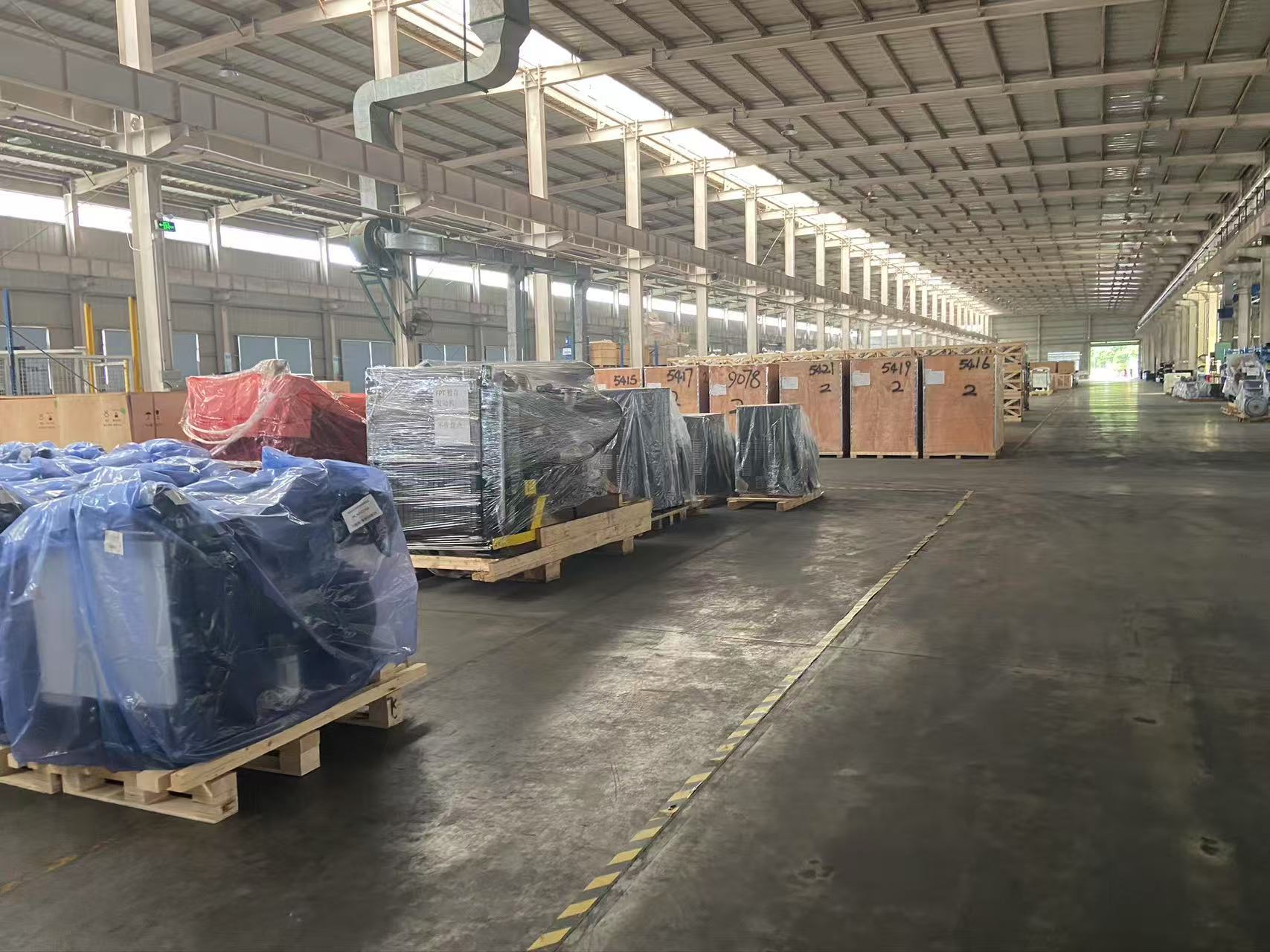
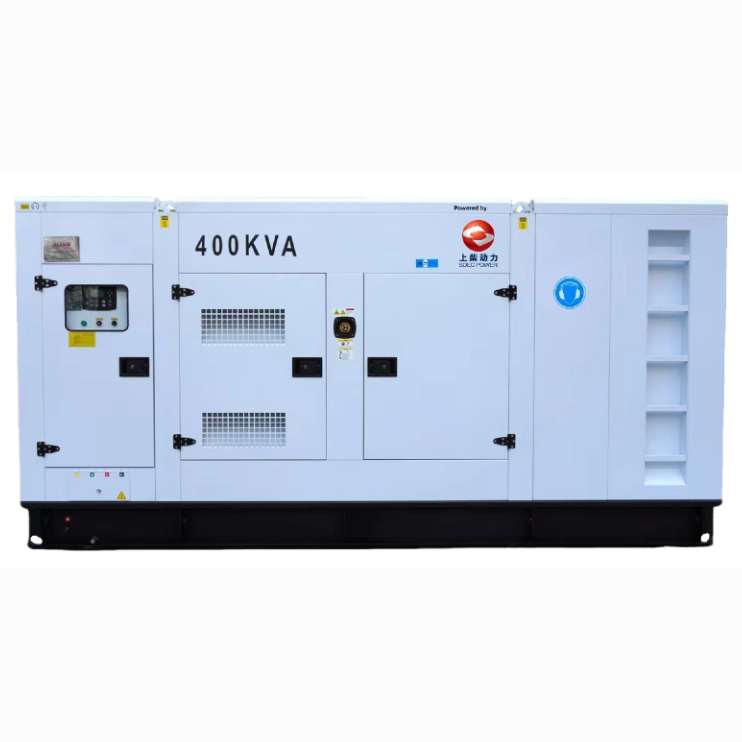
In a factory, an industrial diesel generator is not simply a machine that produces electricity when the grid fails. It is part of a continuity plan. The right unit can keep selected production, safety, control, and logistics functions supplied while the utility service is unavailable or unstable. The real question is therefore not just “How large is the generator?” but “Which loads must remain available, for how long, and under what site conditions?”
For plant managers, engineering contractors, and equipment distributors, that distinction matters. A generator intended only to preserve data and emergency lighting will be planned differently from one intended to support a process line, refrigeration system, pump station, or remote industrial operation. Defining the duty before requesting a quotation makes the technical discussion more useful and reduces the chance of a mismatch.
The most familiar use of an industrial diesel generator is standby power. When normal utility power is interrupted, a properly designed system can start the generator and transfer designated loads to it. In a factory, those loads may include emergency lighting, security systems, fire-related equipment where permitted by the project design, control panels, communications, IT hardware, compressed-air controls, selected pumps, and essential handling equipment.
Not every load has to be carried. Many facilities build a priority list: first protect personnel and equipment, then preserve process stability, then support the activities that allow an orderly restart. This approach can be more practical than trying to power the whole site with one oversized solution. It also helps the electrical designer consider load shedding, staged restart, and the starting current of motors.
Some manufacturing processes are sensitive to an abrupt loss of power. A short interruption may stop conveyors, interrupt batch records, leave a pump in an unsafe state, or cause material to be lost inside a machine. An industrial diesel generator can provide the time needed to place the process in a safe condition, retain control-system visibility, and restart equipment in an agreed sequence after the utility supply returns.
This does not mean every generator will instantly restore every machine. Transfer timing, generator starting performance, control logic, and each load’s tolerance for interruption all need review. For particularly sensitive electronics, the generator system may be coordinated with an uninterruptible power supply so controls bridge the transition while the generator comes online.
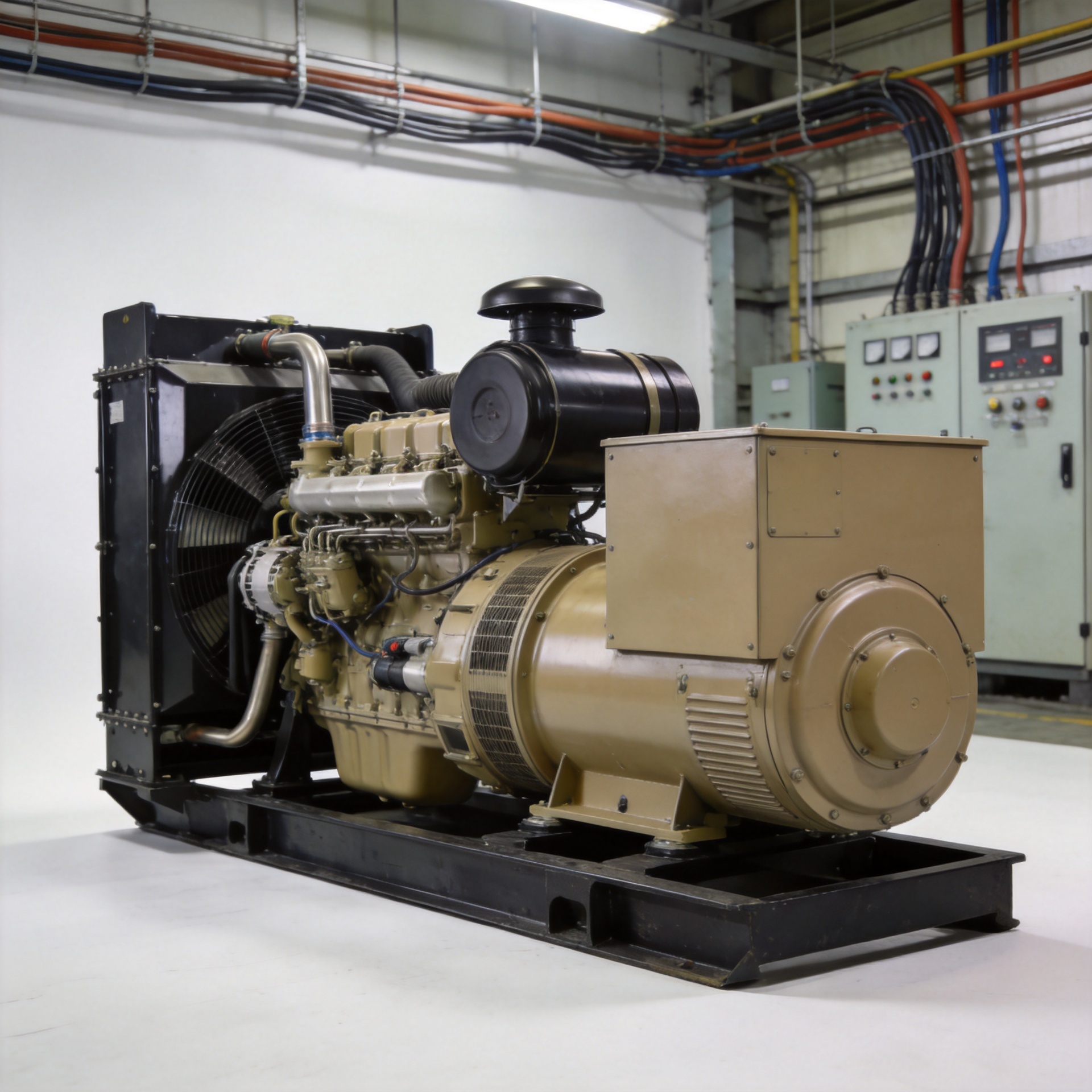
Factories and industrial workshops are may not be served by a stable grid. New sites, temporary production areas, mines, construction-linked facilities, and remote processing locations may require an industrial diesel generator as a main or prime power source for a defined operating period. In this situation, duty classification, fuel logistics, maintenance intervals, ambient conditions, and daily load profile deserve more attention than in a short-duration standby application.
A prime-power discussion should identify how many hours the set is expected to run, whether the load varies substantially, and whether there are large motors, welders, compressors, or nonlinear electronic loads. The supplier and project team can then evaluate the engine-generator set, alternator, controls, fuel system, enclosure, and service access as one working package rather than as a nameplate rating alone.
In many plants, the most valuable loads are not the production machines themselves. Water treatment, sump pumps, ventilation controls, cold storage monitoring, air compressors, loading bays, security systems, and communications may all be essential to safe operations. An industrial diesel generator can support these utilities so the site remains manageable while power is unavailable.
That is why the critical-load schedule should be created with production, maintenance, EHS, and electrical teams together. A load that appears small may have a high operational consequence, while a large load may be safely paused. Recording normal running demand, motor starting method, voltage, phase, and desired runtime gives designers a better basis for selection.
A typical arrangement includes the generator set, a fuel supply arrangement, a control panel, protective devices, and an automatic transfer switch (ATS) or other switching arrangement. The ATS monitors the normal source and signals the generator when utility power is unavailable or outside acceptable limits. Once the generator is stable, the switching system transfers the selected load. When utility power returns and the agreed return conditions are met, the load can transfer back and the generator completes its cooldown cycle.
The transfer arrangement deserves the same attention as the generator. It should be matched to the intended electrical arrangement and confirmed load. Priority controls or load shedding may be appropriate where the generator is designed to serve critical loads rather than the full facility. Final switchgear, protection, grounding, and code compliance must be verified by qualified project professionals for the installation location.
Every industrial diesel generator should be discussed against a clear duty profile. Standby duty normally focuses on defined outage events and a critical-load schedule. Prime duty may involve longer operation and a varying daily profile. Continuous or base-load expectations can require a different engineering review. These terms should be confirmed in the project documentation rather than inferred from the equipment size.
For a factory with large motors, the industrial diesel generator must also be considered against starting conditions, not only steady running demand. Direct-on-line starting, soft starters, variable-frequency drives, and staged sequencing can lead to very different momentary requirements. A competent electrical review can establish whether loads should start one at a time, whether a nonessential load should remain disconnected, and which operating condition governs the proposed rating.
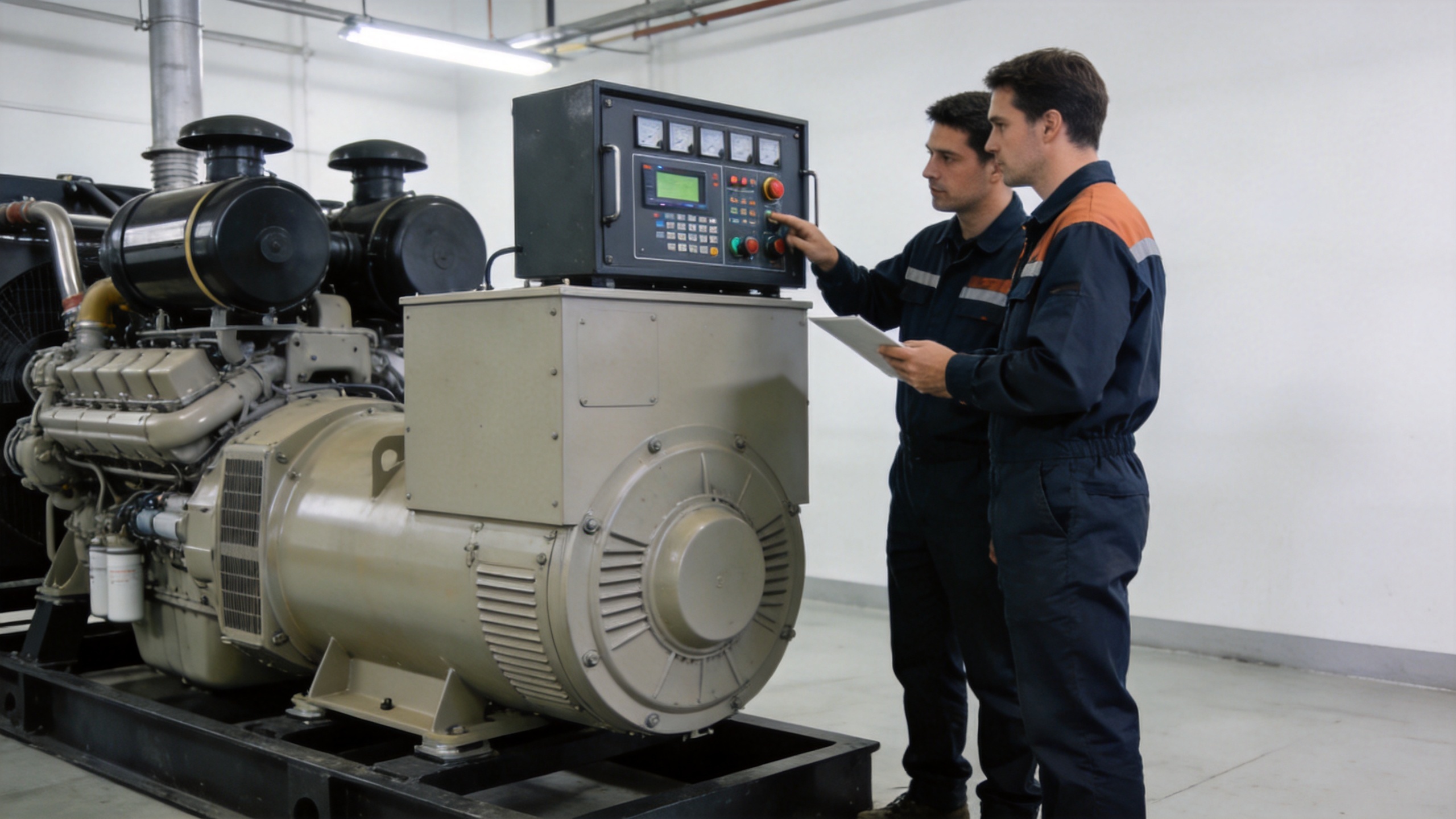
A standby industrial diesel generator is most useful when the facility knows it will start, transfer, and carry its intended loads. The maintenance plan should include safe periodic exercising, inspection of fuel and battery condition, review of alarms, and functional checks of the transfer arrangement. Test results should be recorded so that a site can correct issues before an outage becomes the first real operating test.
Useful enquiries are specific. Share the load schedule, daily operating expectation, site drawings, local electrical requirements, installation environment, and required transfer arrangement. Ask which information must be confirmed before a final rating and configuration can be recommended. For export projects in Africa and South America, local ambient conditions, fuel availability, service access, and documentation requirements should be clarified early rather than assumed.
Guangzhou JIUAN Mechanical and Electrical Co.,LTD works with generator distributors, contractors, business owners, mine owners, and trading companies on diesel generator set discussions. A productive conversation starts with the factory’s actual power priorities and operating conditions, not with an unsupported claim that one size fits every site.
Use the following project handoff prompts to keep technical decisions visible:
An industrial diesel generator is used in factories to protect continuity: it can keep critical systems energized during an outage, support controlled shutdown and restart, maintain essential utilities, or supply power where the grid cannot meet the operating need. A sound result comes from matching the generator system to verified loads, duty, transfer strategy, environment, fuel plan, and maintenance capability. With those inputs defined, a factory can evaluate a power solution on operational fit rather than on headline capacity alone.
2026/10/08
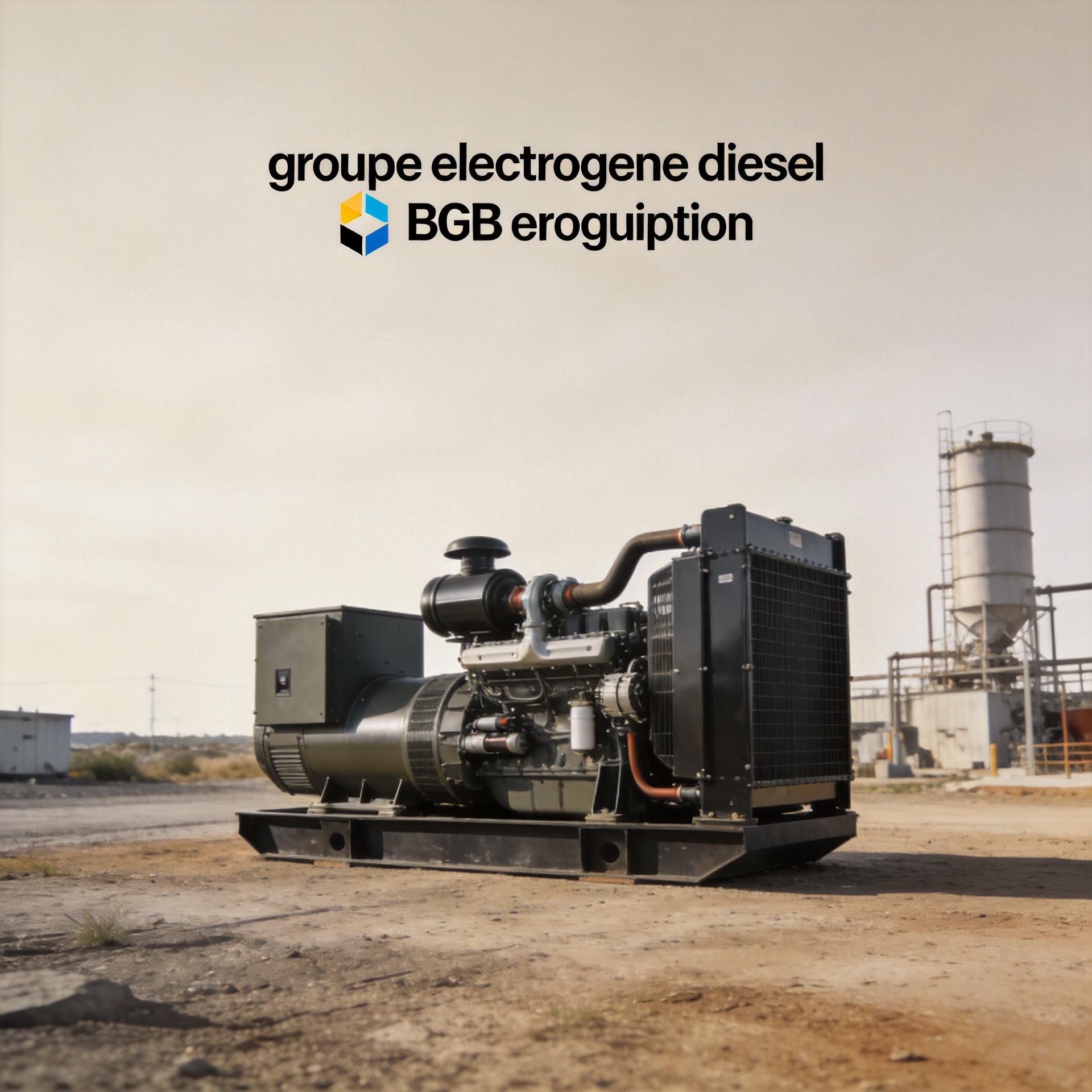
Choisissez un groupe electrogene diesel selon la charge, le régime, le site et les besoins d’exploitation.
2026/10/08
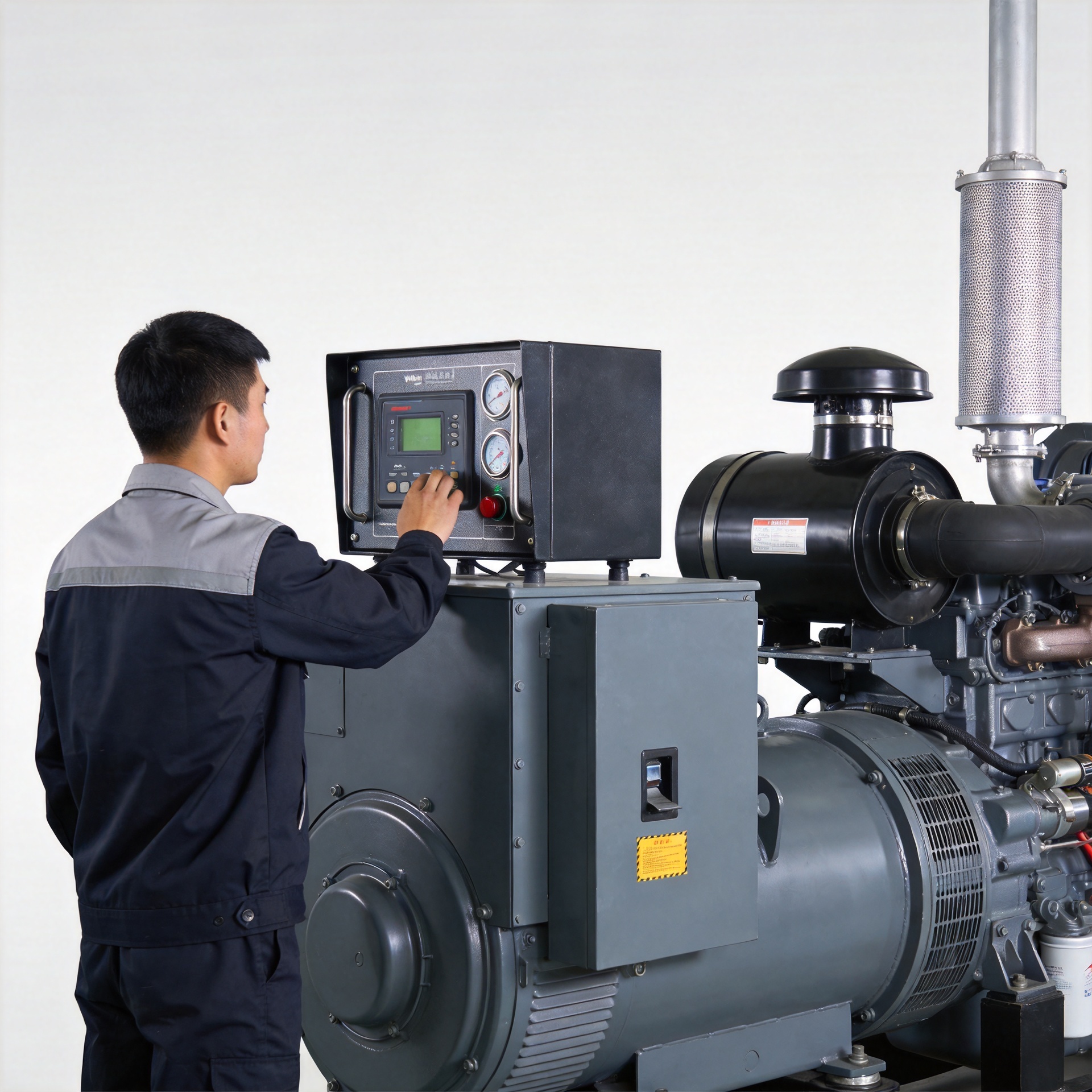
See how a Weichai diesel generator supports stable voltage and frequency through correct sizing, controls, testing, and maintenance.

2026/10/08
Discover practical diesel generator 100kva applications and the load, duty, and site checks needed for reliable power planning.
2026/10/08
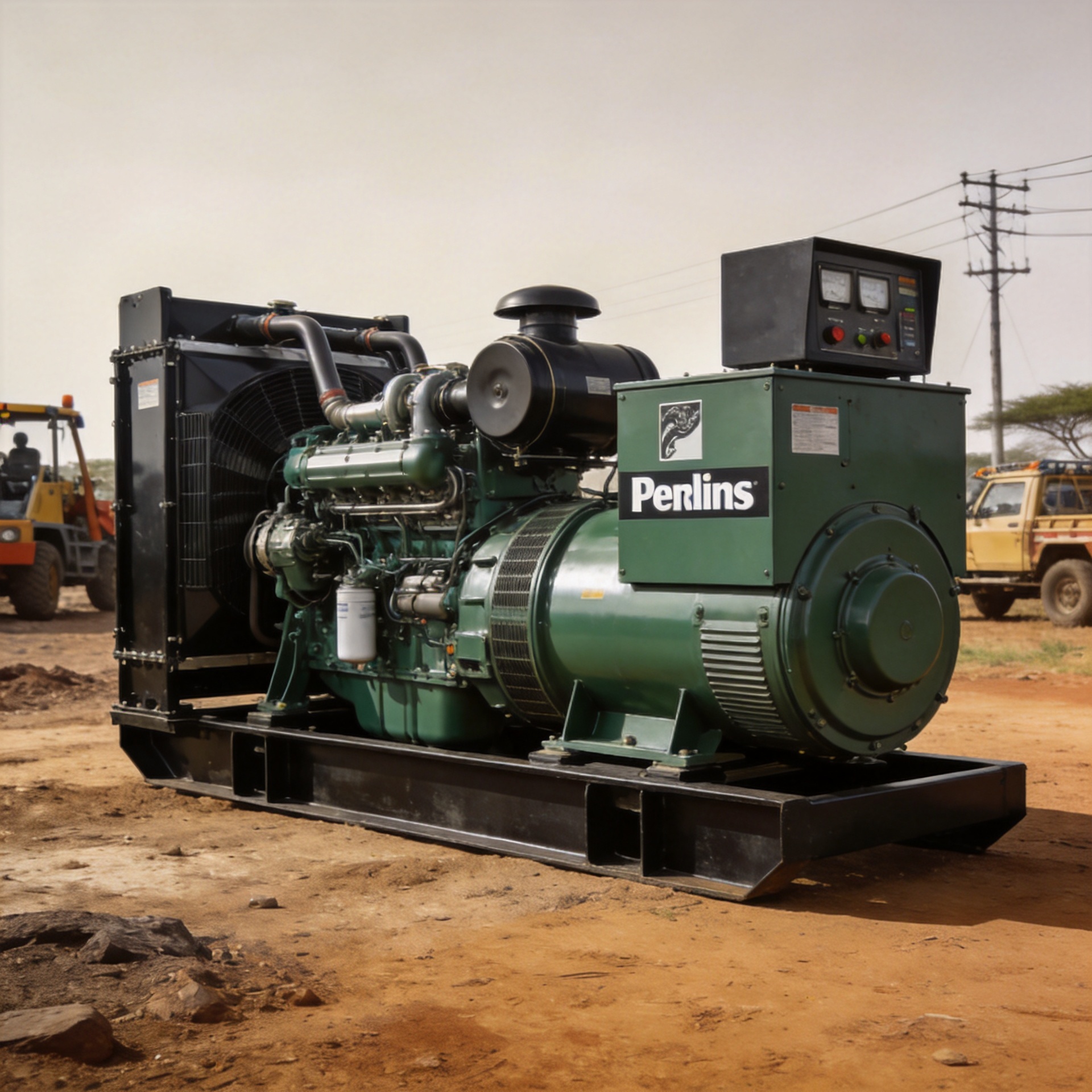
See why a Perkins diesel generator system can support a smarter power investment when matched to load, duty and service needs.
2026/09/07
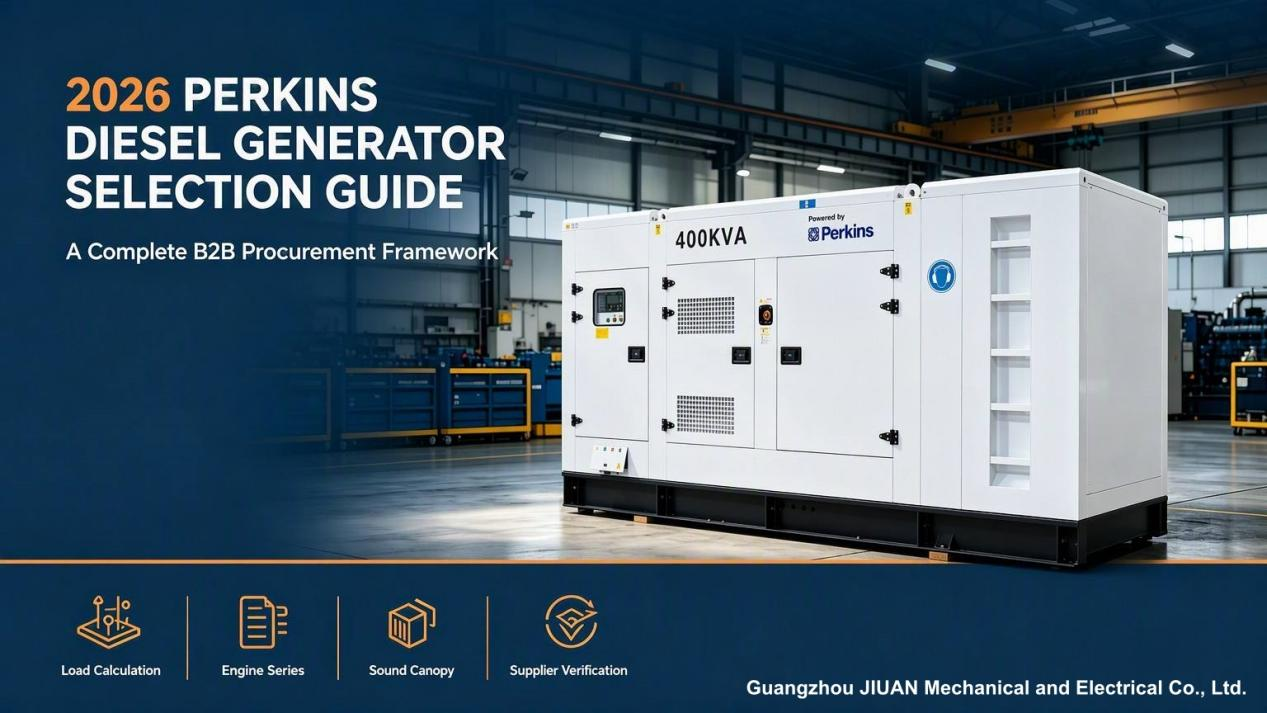
Quick answer: To choose the right Perkins diesel generator, (1) size it from your actual connected load (not your electricity bill), (2) pick the engine series that matches your output band — 400 Series for small loads, 1100 Series for mid-rang...

For all business, partnership, and technical support requests related to diesel generator sets and electrical equipment, our team is ready to respond efficiently and professionally. We ensure clear communication and rapid assistance for every inquiry.
Explore our top diesel generator sets and access professional resources. Download product manuals or industry case whitepapers for in-depth solutions tailored for distributors, contractors, and owners globally.

18+ Years Factory Experience

100% Brand New & High Quality

Power Range: 20kVA to 5000kVA

Cummins, Perkins, Stamford, etc.

Energy Solutions

using only top-tier components